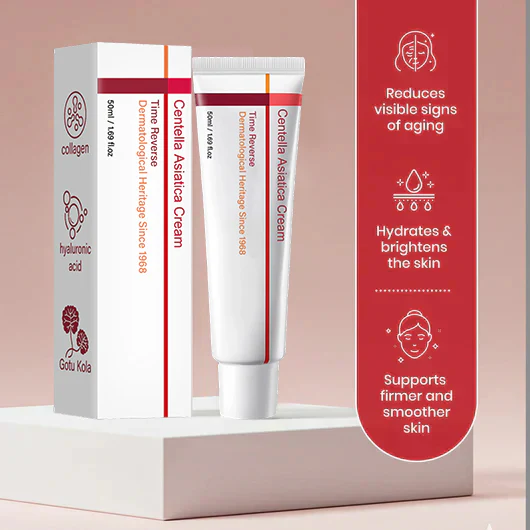
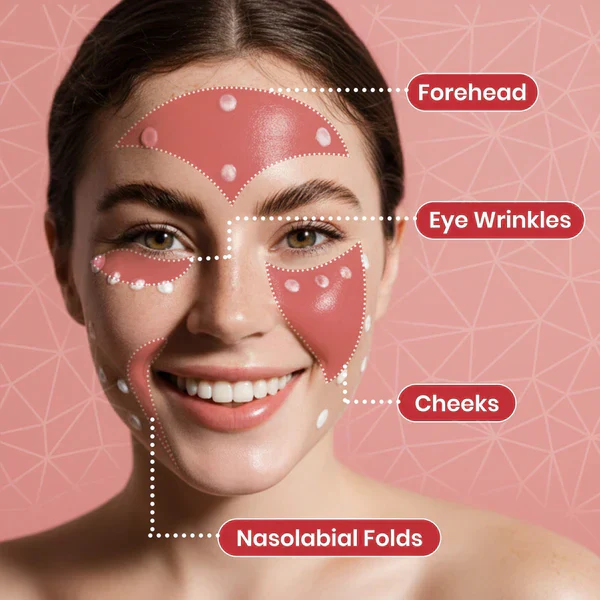
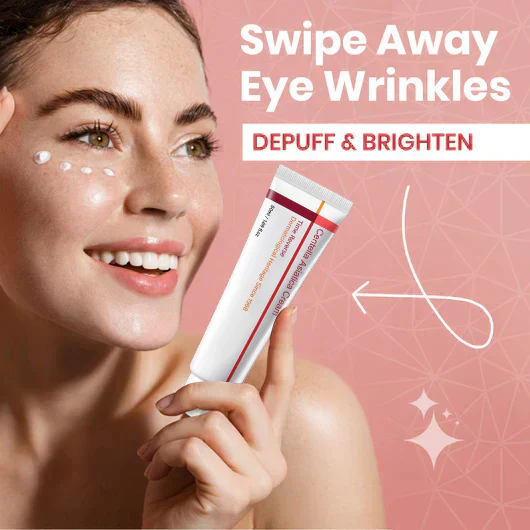
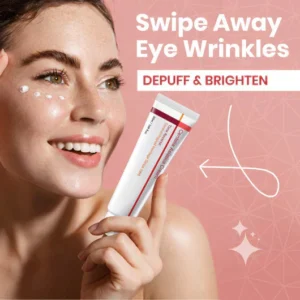
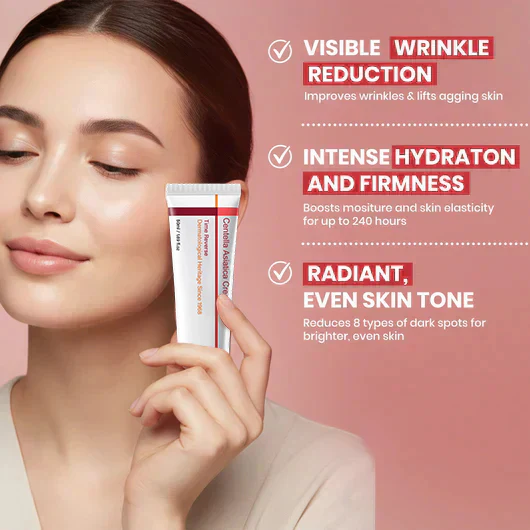
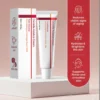
Centella Asiatica Cream
Fifth in the series, and this one is the sloppiest execution of the same playbook. It’s worth noting because it’s sloppy — the seams show.
Identity confusion — the biggest tell:
The page can’t decide what the product is called. Within a single listing:
- “Centella Asiatica Cream (All-In-One)”
- “Seurico™ Centella Time Reverse Cream”
- “Seurico™ Time Reverse Cream”
- “Madeca Time Reverse Cream” (in the FAQ)
This is what happens when a dropshipper copies templated copy from multiple source listings and forgets to find-and-replace consistently. “Madeca” is a nod to Centella-based Korean skincare (Madecassol / Madecassoside is a Centella-derived compound); the seller likely lifted an FAQ from a page for a different product entirely and left the name in.
Numbers that don’t agree with each other on the same page:
- Header: “TrustScore 4.9 | 16,834 reviews”
- Bottom: “Rated 4.8/5 based on +10,839 Total Ratings”
- Also: “9999+ Happy Customers” (the “9999+” is a giveaway — it’s a display cap on a counter, not a real number)
- Also: “Join Over 10,000+ Happy Customers”
- Also: “100+ orders in the last 24h”
- Also: “96.6% of customers are buying 2 or more” (oddly precise, unverifiable)
Genuine review counts don’t fluctuate by 6,000 between the top and bottom of a page. This is placeholder text.
Marketing red flags on autopilot:
- “LAST DAY BUY 1 GET 1 FREE” — every day is the last day on these pages
- Buy 3 Get 3 Free tier — heavy inventory push
- Fake urgency (“Hurry Up, Hot sales ultra low price deal will end soon”)
- Emoji-drenched formatting characteristic of AliExpress / white-label dropship copy
- “15 days” return window buried in emoji text — much shorter than the 30/60/90-day guarantees on the other products you’ve shown me
- Payment via “PayPal & Credit Card” highlighted as a trust signal (it’s a checkout method, not a trust signal)
- No ingredient list disclosed at all — just claims about “Hyaluronic Acid, Panthenol, Peptides, Centella, Niacinamide, Madecassoside”
What’s actually being sold:
Almost certainly a generic Centella cream sourced from a Chinese or Korean white-label manufacturer, rebadged with the “Seurico” name (which appears attached to a rotating catalog of unrelated products across dropship sites — bras, pet gadgets, kitchen tools — a classic throwaway brand name). The listed ingredients (Centella, niacinamide, hyaluronic acid, panthenol, peptides) are all real, common, benign cosmetic ingredients that appear in dozens of $8–15 Korean drugstore creams (Purito, COSRX, SKIN1004, Some By Mi all sell Centella-focused creams in this range).
Compared to the others you’ve shown:
This is the lowest-effort of the five. The Luxevéria and Nurovita pages at least had internally consistent branding, a coherent invented narrative, and a copy voice. This one didn’t bother — it’s a template swap where “Seurico,” “Madeca,” and the generic product name are floating around unresolved. The pattern says: someone spun up a Shopify store, imported a supplier listing, wrote a header and forgot to clean the rest.
Practical take:
If you actually want a Centella cream, you can buy the same category of product from a named Korean brand with published ingredients, real reviews aggregated on retailers like Amazon, YesStyle, or Stylevana, and a supply chain you can trace, for less money than this. Recommendable options in this space: SKIN1004 Madagascar Centella Ampoule/Cream, Purito Centella Green Level Buffet Serum, COSRX Centella Blemish Cream, Some By Mi Cica Peptide — all $10–20, all with actual ingredient disclosure and third-party reviews.
The pattern across all five products you’ve shown me:
Every one of them shares a subset of: invented pseudo-medical vocabulary, fabricated “voted #1” awards, unverifiable percentage stats, first-name testimonials with heavy demographic targeting, unnamed dermatologist endorsement, urgency countdowns, bulk-discount funnels, “sold out X times” scarcity, “not available on Amazon” gatekeeping, and either autoship enrollment or aggressive volume upsells. The chemistry underneath ranges from fine but overpriced (Zyren, this one, the eyeliner) to reasonable ingredients wildly overclaimed (Nurovita, ReGenScar).
You still haven’t told me the goal behind this string of pages. If you’re evaluating them as a buyer, writing about scam marketing, checking on someone in your life who’s been buying these, or something else, I can be much more useful with that context. Want to share what’s driving this?